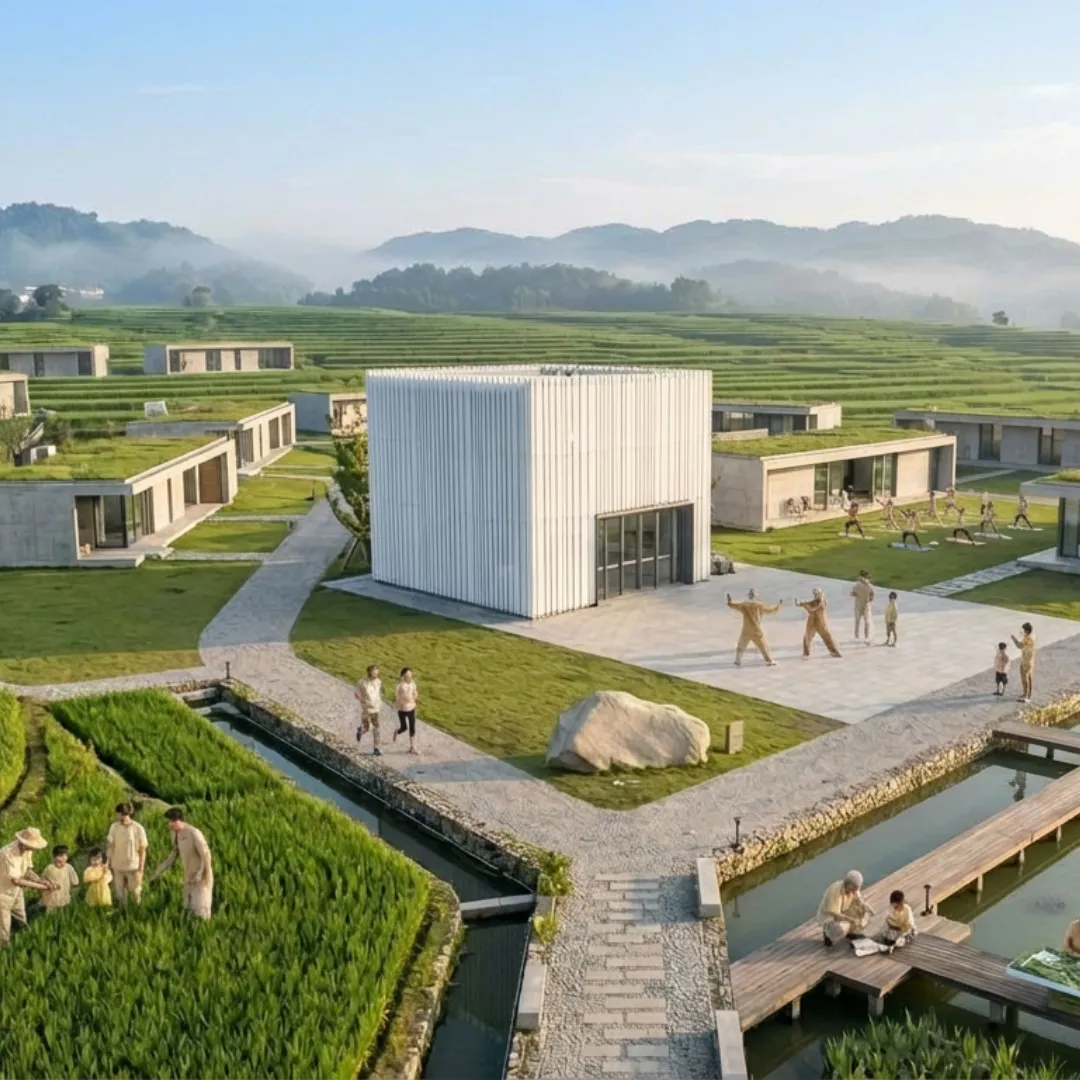
How often are we are attempting to make cities sustainable within an economic system that rewards their unsustainability?
The city, at its origin, was not a machine for economic production. It was a common, a shared space where communities concentrated their intelligence, culture, care and creativity in service of collective flourishing. Its privatisation and financialisation were not inevitable. They were choices. This Lab explores alternative choices: ways in which cities across the world are laying in the economic and social foundations needed to achieve sustainability, coherently, and at scale.
How often are we are attempting to make cities sustainable within an economic system that rewards their unsustainability? The familiar story points to the fact that cities lack the right technology, infrastructure and design, and that the fix is to scale what works. That story is partially true, and partially misleading. Beneath implementation lies the economic and social architecture that defines aspirations and guides capital and investment.
This lab has a focus on learning by doing, across four worlds: Asia, Europe, Latin America and Africa, addressing the architecture within which every urban development decision is made. It holds two horizons at once: what can be built now (retrofitting infrastructure, integrating nature, decarbonising energy, closing the circular loop); and what deeper redesign will decide how urban value is defined, over what time horizon capital is deployed, how risk is priced, to whom governance answers, and how a city relates to the living systems it is embedded within.
Not a portfolio of green projects sitting inside an extractive economy, but the redesign of the urban system as one coherent whole.