工业增长能否超越“发展必然消耗自然”的旧有逻辑?当清洁能源体系正在重构,谁将塑造下一个十年的绿色基础设施与产业能力? Can industrial growth move beyond the assumption that development must come at nature’s expense? As clean-energy systems are rapidly being rebuilt, who will shape the next decade of green infrastructure and industrial capability?
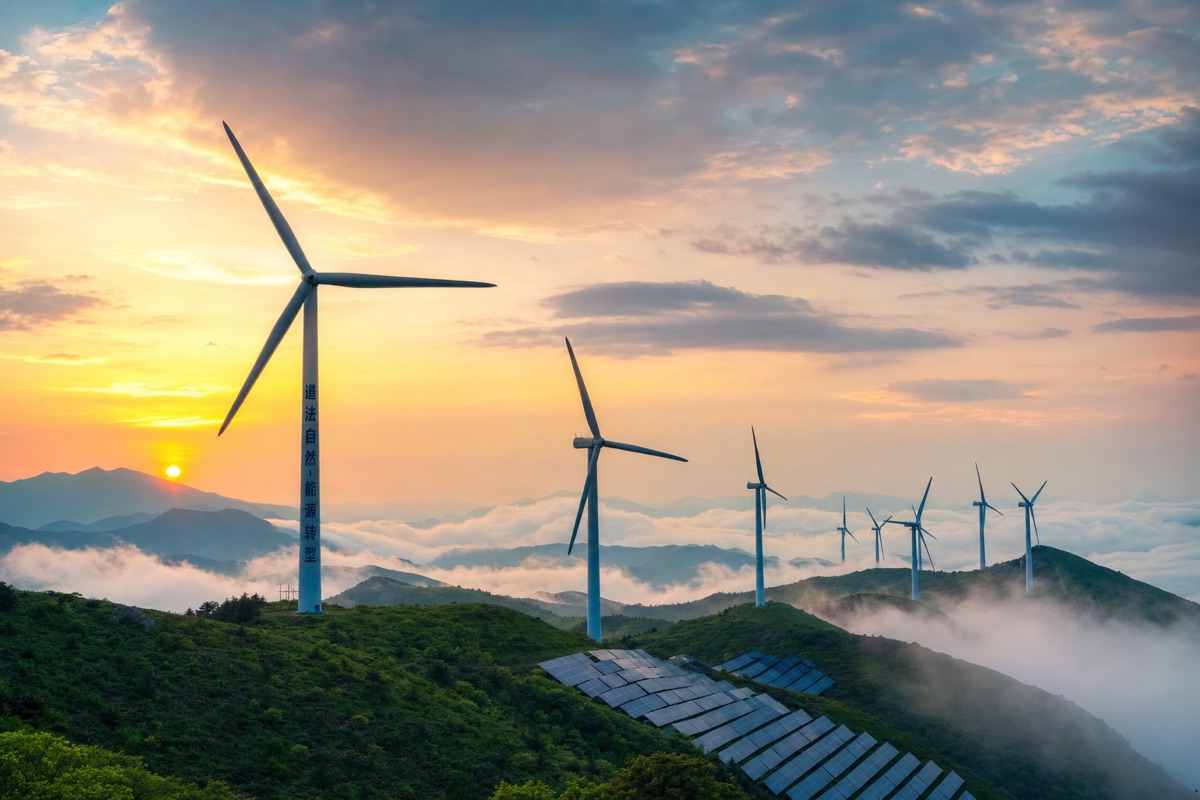
全球能源转型不仅是一项气候任务,也正在重塑工业能力、供应链和未来竞争力。“道法自然”启发我们重新思考,工业系统能否不再以消耗自然为增长的代价,而是逐步与自然规律形成新的协调关系。本场论坛将以中国在太阳能、风能、电池储能、电动交通及相关制造体系中的发展为参照,探讨长期战略、产业积累与持续投资如何推动新兴技术从边缘走向规模化应用。嘉宾将讨论哪些产业转型的方向已经明确,但其速度和商业价值仍被低估;中国的技术、制造能力与资本如何参与亚洲及其他市场的能源转型;以及怎样的国际合作能够同时实现商业可行、本地受益与长期责任。论坛也将正视清洁能源供应链中的环境与社会成本,避免绿色转型只是将污染与风险转移到其他地区和社区。
The global energy transition is not only a climate imperative; it is reshaping industrial capability, supply chains and future competitiveness. 道法自然—the idea that human systems should follow the larger logic of nature— invites us to reconsider whether industrial growth can move beyond treating environmental damage as an unavoidable cost. Using China’s development of solar, wind, battery storage, electric mobility and related manufacturing systems as a reference, this session examines how long-term strategy, industrial accumulation and sustained investment moved emerging technologies from the margins to deployment at scale. Panellists will explore which transitions are already directionally clear but remain underestimated in speed and commercial value; how Chinese technology, manufacturing capability and capital can support energy transition across Asia and other markets; and what forms of international partnership can be commercially viable, locally beneficial and responsible over time. The session will also confront the environmental and social costs embedded in clean-energy supply chains, asking how the green transition can avoid simply moving pollution and risk elsewhere.