地球并非彼此分离的资源集合,而是一个相互依存的生命支持系统。面对不断加剧的生态压力,关键问题是:谁应承担修复责任,以及如何让生态修复创造长期价值? The Earth is an interconnected life-support system, not a collection of separate resources. As nature faces growing pressure, the question is: who is responsible for restoring it, and how can ecological restoration create long-term value?
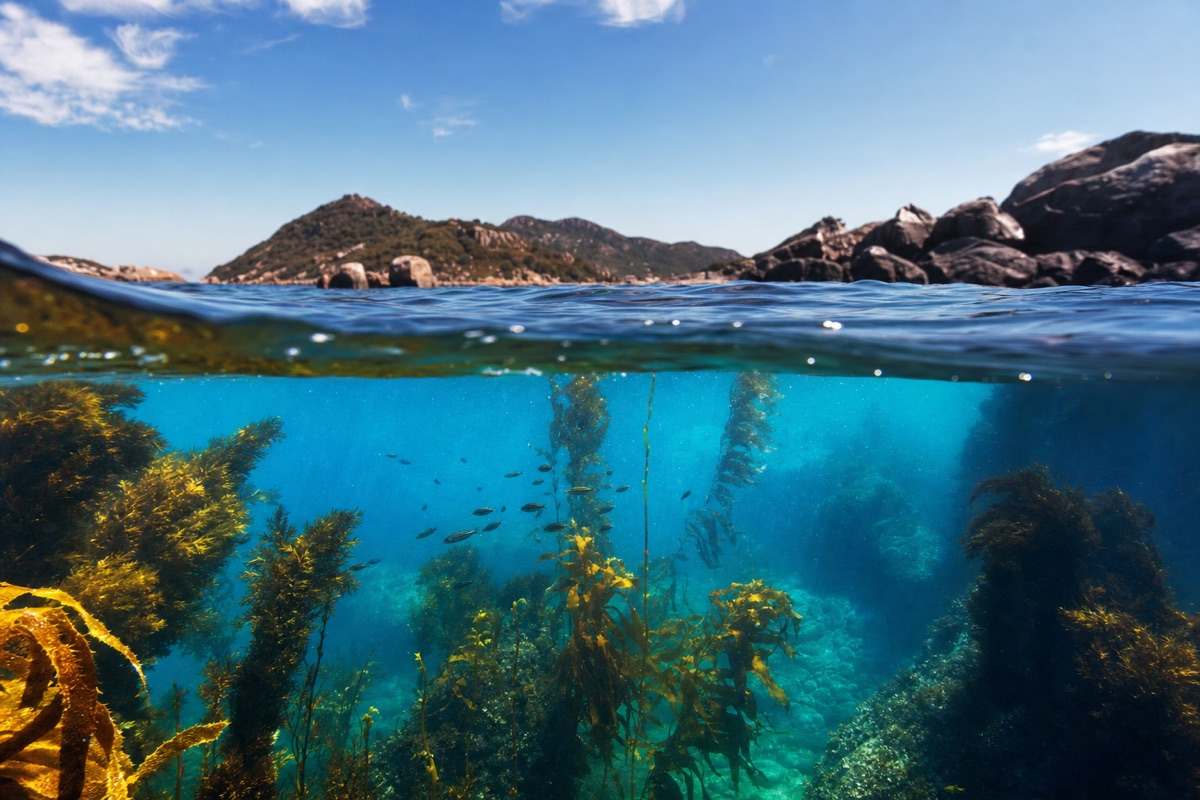
地球并不是彼此分离的资源集合,而是由森林、河流、湿地、土壤、海岸与海洋共同组成的生命支持系统。“上善若水”启发我们顺应生命系统,而不是试图控制和征服自然。本场论坛将以中国生态文明建设的实践为参照,探讨治理、商业与资本如何从减少环境损害,进一步走向自然修复与生态韧性的提升。讨论将连接陆地、流域与海洋,涉及系统性生态修复、自然保护、生态监测、流域与海岸治理,以及生态价值衡量等议题。论坛将重点回应三个问题:当生态修复的收益具有公共性、跨区域性和长期性时,应由谁承担成本?生态修复如何通过降低风险、保障资源安全与培育新产业形成商业价值?生活在森林、流域、湿地及沿海地区的社区,又如何凭借自身知识、治理权利与公平收益,成为真正的生态共创者?
The Earth is not a collection of separate resources, but an interconnected life-support system of forests, rivers, wetlands, soils, coasts and oceans. 上善若水—the highest good is like water— invites us to work with living systems rather than seek to control and dominate nature. Using China’s ecological civilisation practices as a reference, this session explores how governance, business and capital can move beyond reducing environmental harm towards restoring nature and strengthening ecological resilience. The discussion connects land, watersheds and oceans, covering integrated restoration, conservation, ecological monitoring, watershed and coastal governance, and new approaches to valuing nature. It focuses on three practical questions: who should bear the costs when the benefits of restoration are public, cross-regional and long-term? How can restoration create business value through reduced risk, resource security and new industries? And how can communities living in forests, watersheds, wetlands and coastal areas become genuine co-creators—with knowledge, governance rights and a fair share of the value created?