Telok Ayer MRT Control Station (DT18), Cross Street, Singapore
What does genuine transformation, of a person, a community, or a system, actually require, and what does it ask of the society that surrounds it?
Offsite Location: Telok Ayer MRT Control Station (DT18), Cross Street, Singapore
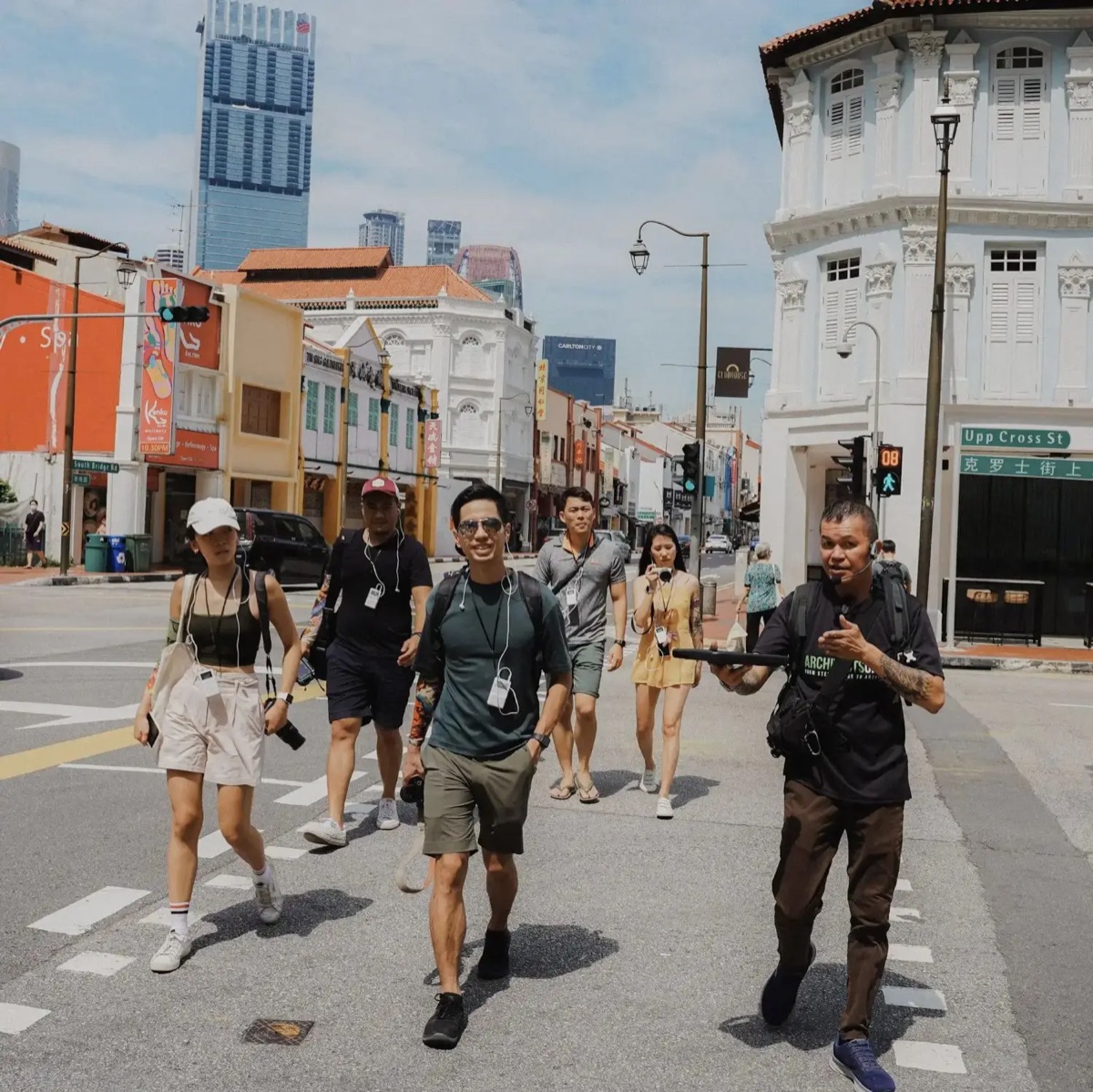
Singapore is often described as one of the safest cities in the world. But that same city once had entire neighbourhoods run by secret societies, and prison sentences that followed people long after they had been served. This learning journey walks through Chinatown with someone who lived on the other side of that history: gang territory, incarceration, and the slow, uncertain work of finding a way back.
The route moves through Boat Quay, North Canal Road, China Street and Pagoda Street, narrated not from a guidebook but from memory — what it meant to belong to a world the formal city had not yet reached, and what it cost to leave it.
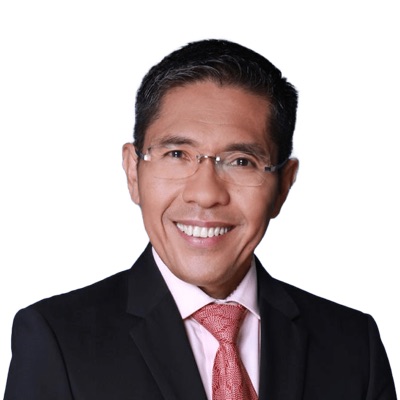
The walk closes with a fireside conversation between the host, several people working in rehabilitation, and Dr Maliki Osman, a former Cabinet Minister who began his career as a social worker and now leads the Social Transformation Project at OCTAVE Institute, supporting ex-offenders through employment and reintegration. Together they take on one question: what does it actually take to give someone a second chance, and what does that ask of governments, employers, communities and individuals in return?
It is a rare chance to hear directly from people whose stories rarely make it into how Singapore tells its own history.