What if a city was measured not by skyline or throughput but by the flourishing of its bottom 5% and what would a neighbourhood have to be to do what love does?
Cities are the arena, and every arena has a floor. This session takes well-being to where it is needed most: the bottom 5% of society. Whatever the city, its poorest households are where this architecture becomes either true or remains decoration.
Singapore is the boundary condition: world-class governance, near-universal housing, and administrative capability most countries can only imagine, yet poverty persists even here. That eliminates the comfortable explanations. Poverty is not a resource, governance, or growth problem; it is architectural, an output the current economy reliably produces.
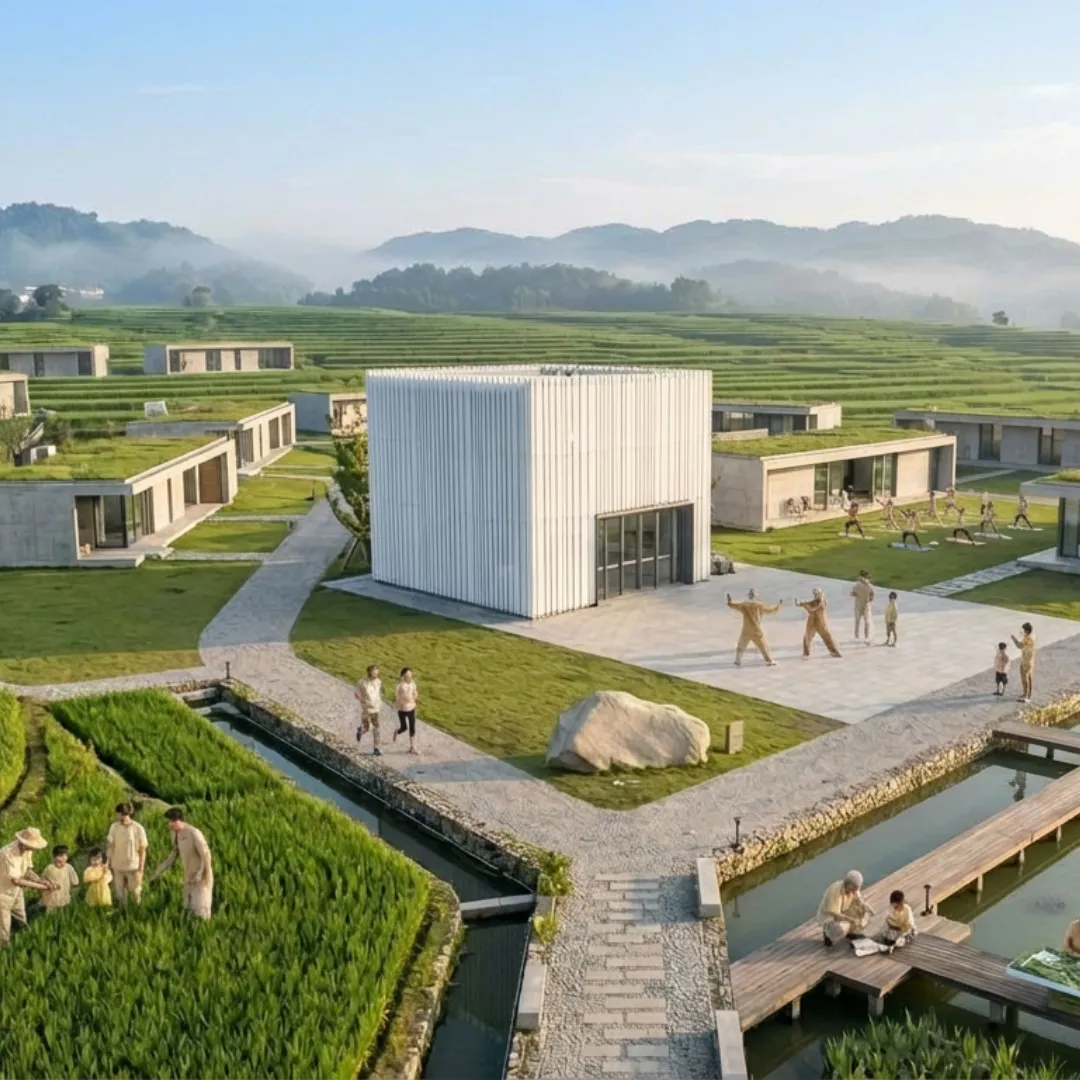
The OCTAVE Social Transformation Project at Fengshan is the week's living hypothesis: a precinct-scale experiment in whether the properties of love, whole-person recognition, unconditional commitment, presence that stays, can become a neighbourhood's operating system. The wager: families move from being managed by systems to authoring their own flourishing. The honest claim is what the experiment is teaching. Unresolved questions go to the Urban Ecosystem Labs.