What if we designed cities the way ecologists design resilient ecosystems for redundancy, interdependence, and long-term adaptive capacity?
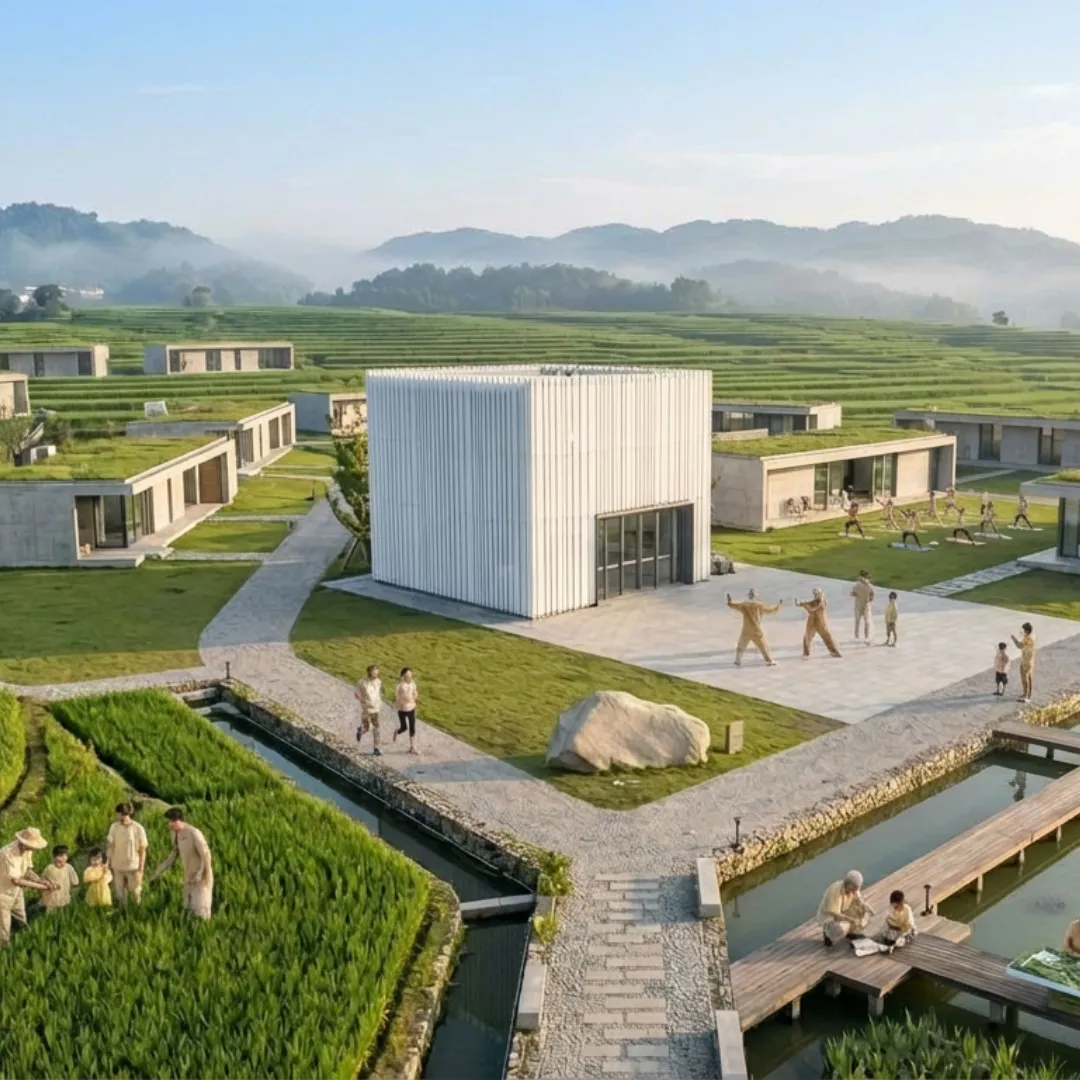
The dominant model of urban development treats nature as residual, what is left after the city is built. The emerging model treats it as foundational: the urban forest that cools the neighbourhood, the urban wetland that manages the flood, the biodiversity corridor that sustains ecological services across the city, the mangrove coastline that protects the shoreline. Nature-based solutions are not a greenwashing exercise. When properly designed and governed, they are among the most cost-effective and multi-functional forms of urban infrastructure available.
This design studio brings together urban planners, ecologists, community representatives, and investors to co-design nature-based solutions for specific urban contexts. Using real site data, ecological models, and community input, participants develop proposals that deliver measurable outcomes across heat reduction, flood risk management, biodiversity enhancement, and community wellbeing. The studio deliberately challenges the assumption that nature and density are in tension, insisting instead that the integration of ecology into urban form is not a trade-off but a design discipline.